Best Solar Panel Placement Tips For Port Macquarie Homes
Mackies • July 27, 2026
Two identical solar systems can perform worlds apart depending on where the panels end up. The same number of panels, the same brand, the same inverter, yet one household slashes its power bill while the other wonders where the savings went. Placement is the quiet factor that makes or breaks a system's output. For anyone investing in solar in Port Macquarie, getting the position right from the start means capturing every bit of sunshine the coast has to offer. It's the kind of decision that's easy to get right at the planning stage and expensive to fix once the panels are bolted down. The good news is that a bit of forethought goes a long way, and none of it requires a degree in engineering to understand. Here's what shapes good placement and how to make the most of your roof.
Why Panel Placement Matters for Solar Performance
Solar panels only generate what the sun gives them, so where they sit determines how much energy you actually harvest. A perfectly good panel in a poor position underperforms every single day, quietly costing you returns over the system's twenty-year-plus life. Small placement decisions compound into big differences on your power bill. Over two decades, even a modest drop in daily output adds up to thousands of dollars in savings left on the table.
Placement has such a large effect because it governs:
- How many direct sunlight hours each panel receives daily.
- How evenly the array performs across the seasons.
- How quickly the system pays back its upfront cost.
Nailing placement is the cheapest way to lift the output of any solar system.
Finding the Right Orientation for Your Roof
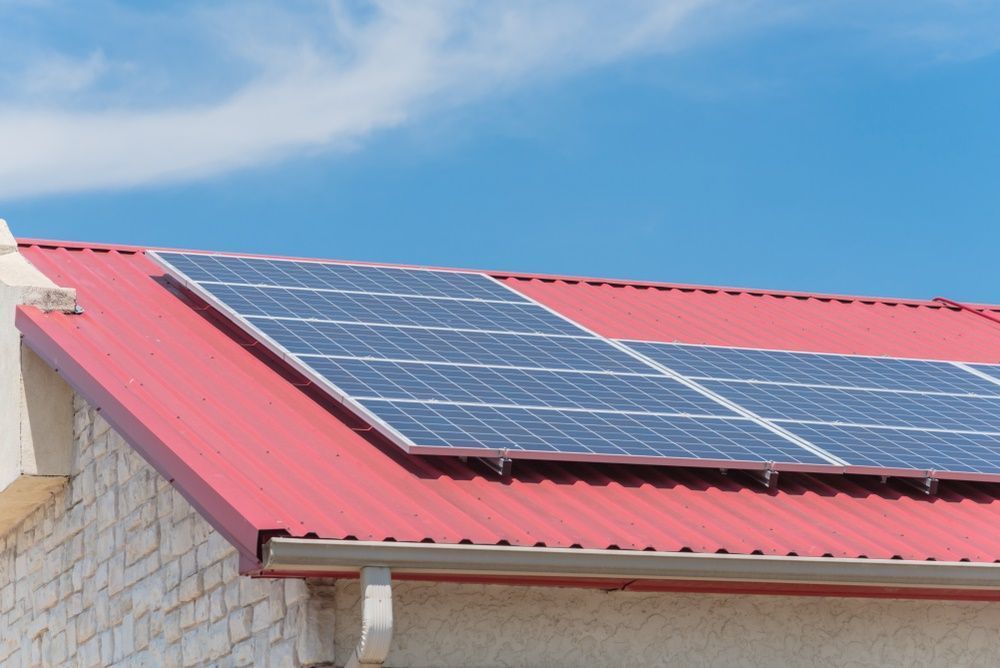
In the southern hemisphere, north-facing panels are the gold standard. They soak up the most consistent sunlight across the whole day, making them the first choice wherever the roof allows. That said, east and west faces still perform well and can suit households that use more power in the mornings or evenings. With a battery in the mix, the calculation shifts again, since you can store surplus generation rather than sending it straight to the grid. Many households now split their panels across two faces to spread generation more evenly through the day.
Orientation choices generally break down like this:
- North-facing panels for maximum all-day generation.
- East-facing panels to capture stronger morning output.
- West-facing panels to match afternoon and evening use.
Choosing orientation around when you use power gets the most value from every panel.
Getting the Tilt Angle Right
The angle your panels sit at influences how directly they meet the sun's rays. Too flat or too steep and you lose efficiency, particularly as the sun's path shifts through the year. For a location like Port Macquarie, a tilt roughly matching the local latitude gives strong year-round performance without needing constant adjustment. A flatter tilt also lets dust and debris build up, so a slight angle helps rain rinse the panels clean and keeps them working at their best.
The ideal tilt is shaped by:
- Your latitude, which sets the baseline angle for the region.
- Whether you want to favour summer or winter generation.
- The existing pitch of your roof and any mounting options.
Getting the tilt close to optimal squeezes noticeably more energy from the same panels.
Managing Shading from Trees & Structures
Shade is the enemy of solar output, and even a small patch can drag down a whole string of panels. A single shaded panel can pull down the performance of others wired alongside it, so identifying and managing shade is essential. The best solar system in Port Macquarie is planned around the sun's path across every season, not just how the roof looks on the day of the quote. A tree that casts no shadow in summer can throw a long shade across the roof in winter when the sun sits lower.
Shading problems most often come from:
- Trees that cast shadows as the sun moves through the day.
- Neighbouring buildings, chimneys or water tanks.
- Aerials, vents and other rooftop obstructions.
Mapping shade before installation avoids a system that quietly underdelivers for years.
Roof Type & Structural Considerations
Not every roof handles panels the same way. The material, age and structural condition all affect how and where panels can be mounted safely. Older roofs may need attention before installation, and different materials call for different mounting hardware to keep everything secure and watertight. It's far easier to address any repairs before the panels go up than to lift an entire array later to fix a leak underneath.
Roof factors worth checking include:
- The roofing material and the fixings it requires.
- The age and condition of the roof structure beneath.
- Available unshaded space free of obstructions.
Confirming your roof is up to the job protects both the panels and the building.
Placement Tips for Commercial Properties
Commercial roofs bring their own opportunities and challenges. Large flat roofs offer plenty of space but need tilt frames to angle panels correctly, while high energy use during business hours changes the placement calculation. Matching generation to when the business actually draws power is key to strong returns. For many businesses, the goal is to cover as much of the daytime load as possible, since power used on site is worth far more than power exported to the grid. The scale of a commercial array also means small placement gains translate into much larger savings over time.
Commercial placement usually focuses on:
- Using tilt frames to angle panels on flat rooftops.
- Orienting arrays to match daytime operating hours.
- Maximising unshaded roof area for larger systems.
Aligning generation with business demand turns a commercial roof into a genuine asset.
Getting Professional Help With Placement
Mackies Group has spent years helping homes and businesses along the coast get their placement right the first time, because a well-positioned system is one you never have to think about again. Our team assesses your roof, maps the shade across the seasons and designs a layout that captures the most sun your property can offer. We take into account your energy habits, your roof's quirks and your plans for the future, so the system suits you rather than a generic template. If you're weighing up solar panel installation in Port Macquarie or want to get more from a system you already have, get in touch with us today and we'll help you plan placement that pays off for decades to come.